A Venice Cicchetti Evening with a Comfortable Route Home
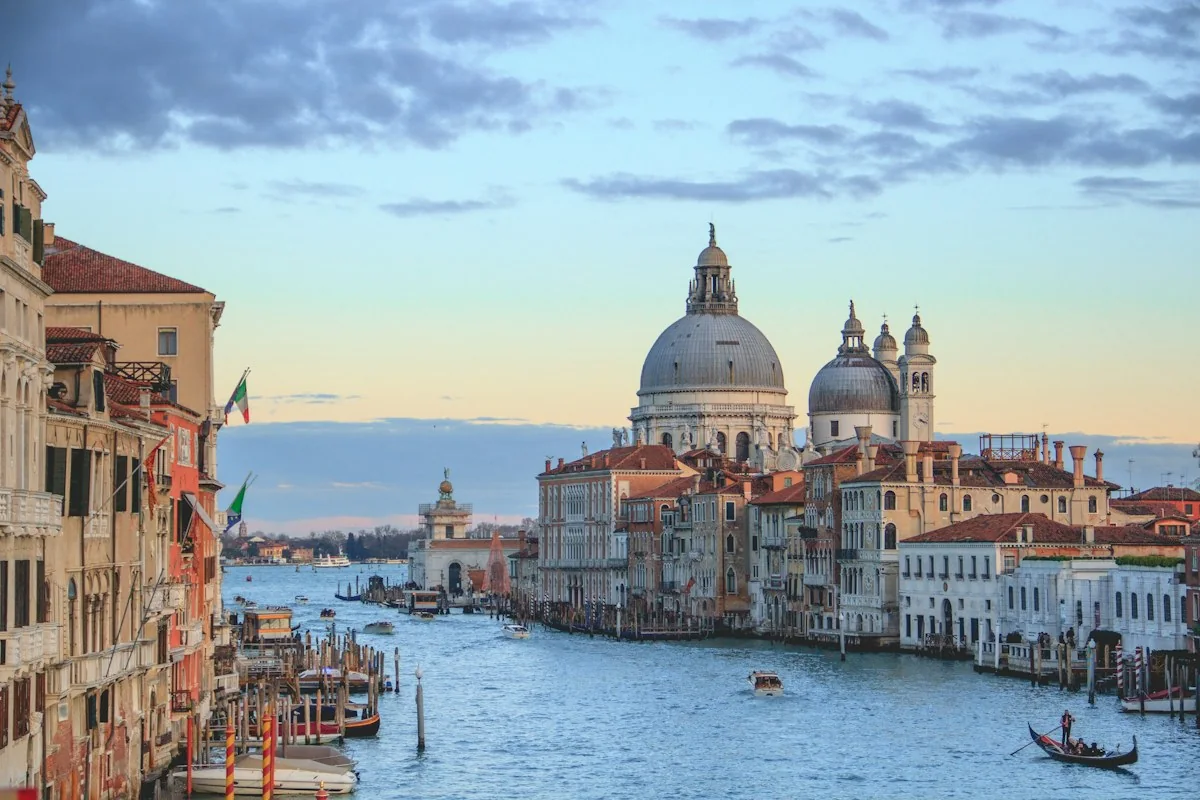
A cicchetti evening in Venice can be an easy alternative to a long seated dinner: small bites, a drink if you want one and time to watch a neighborhood settle into evening. It works best with a compact route and no assumption that every bar serves the same food or offers seating. Plan around appetite and mobility, then let a modest number of stops provide variety without turning the evening into a race.
Choose one neighborhood
Start near your accommodation or choose an area with a straightforward return. Bridges and narrow lanes can make a short map distance feel longer with tired legs. Check the location of your final stop, especially if someone needs frequent chances to sit.
Two or three possible stops give flexibility. They do not need to become mandatory appointments. If the first place has a comfortable table and food everyone enjoys, staying may be right. Leave navigation time and avoid blocking busy passageways while consulting your phone.
Understand the small-plate format
Cicchetti are small savory bites associated with Venice’s bacari and other bars. The selection varies by venue and day, so browse before ordering a large amount. Some bites may be served on bread; others may be prepared differently. Ask about ingredients instead of identifying fillings by appearance.
Order a few items first, then decide whether to add more. This helps a mixed group discover preferences without wasting food. If you want a complete seated meal, check that the venue offers one. A counter serving bites may provide a different experience from a restaurant.
Explain dietary requirements
Fish, shellfish, dairy and other allergens can appear in small preparations, including sauces and spreads. Communicate the specific requirement and ask about cross-contact where relevant. A vegetable topping does not establish that the entire bite is vegetarian or suitable for someone with an allergy.
For a group with complex needs, identify a venue that can explain options in advance. Keep another dinner possibility nearby. Adapt the plan rather than relying on uncertain answers at a crowded counter. Translation notes can support a conversation but should not replace staff confirmation.
Check ordering and seating
Watch the room’s flow briefly, then ask where to order and whether table service is available. Some venues have limited seating or different arrangements for standing and seated customers. Read the menu and ask about costs before ordering if anything is unclear.
If having a seat matters, choose a place that can confirm the arrangement rather than hoping a stool becomes free. Larger groups should be considerate of small rooms. Follow the venue’s ordering guidance rather than creating a system that complicates service at a busy counter.
Treat drinks as optional
A wine-based drink may be part of your plan, but food and non-alcoholic choices can anchor the evening too. Ask what is available and order to your preferences. Small pours still add up, so do not judge consumption only by glass size or number of stops.
If returning by waterbus, check current route and departure information with the official provider. Keep enough battery for navigation and tickets. Arrange the journey before it becomes late, and do not assume transport follows the same timetable every day.
Know when bites should become dinner
After a couple of stops, consider whether everyone is comfortably fed. A separate meal may suit children, hungry walkers or anyone who has mostly sampled food they disliked. Preserving the format is less important than everyone’s comfort.
Use official tourism information for context and verify venues directly. For guided tastings, compare actual food inclusions, walking distance, dietary arrangements and cancellation terms. A tour should meet a need, such as understanding the food or navigating confidently. Check whether you must arrive hungry for a substantial food experience or whether the advertised tastings are small enough that you will still need dinner afterward. Carry a compact bag rather than luggage, and allow enough time to appreciate the canals between stops without rushing along crowded streets.
A small reserve in your budget also lets you change dinner plans without feeling obliged to continue an evening that no longer suits the group.
Further reading & official information
This is a research-based editorial guide. Confirm current availability, access and booking conditions directly with the provider.