
How to Choose Carry-On Luggage for an Italy Trip by Train
For a trip linking several Italian cities by train, luggage becomes something you handle repeatedly rather than something you unpack once. You may lift it onto a train, carry it over steps and roll it from a station to a hotel. A useful buying decision therefore starts with how you will move, not with how much the case can hold. The best bag for this itinerary is one you can manage when it is fully packed.
Map the awkward parts of the journey
Look at your accommodation access as well as the train itinerary. A small guesthouse may have stairs, and the final walk can include uneven paving. Check the property's own description and ask about access if it matters to your booking. Do not assume a lift at every stage or that someone will be available to handle your luggage. Pack to a weight you can lift safely yourself.
Train services and ticket conditions differ, so read the current luggage guidance for your actual operator and service. If the trip also includes a flight, check the airline's published cabin-bag dimensions and weight allowance separately. A case described by a retailer as 'cabin size' is not guaranteed to meet every airline's requirements. Measure the complete bag, including protruding handles and wheels, against the applicable rules.
Choose the form before the finish
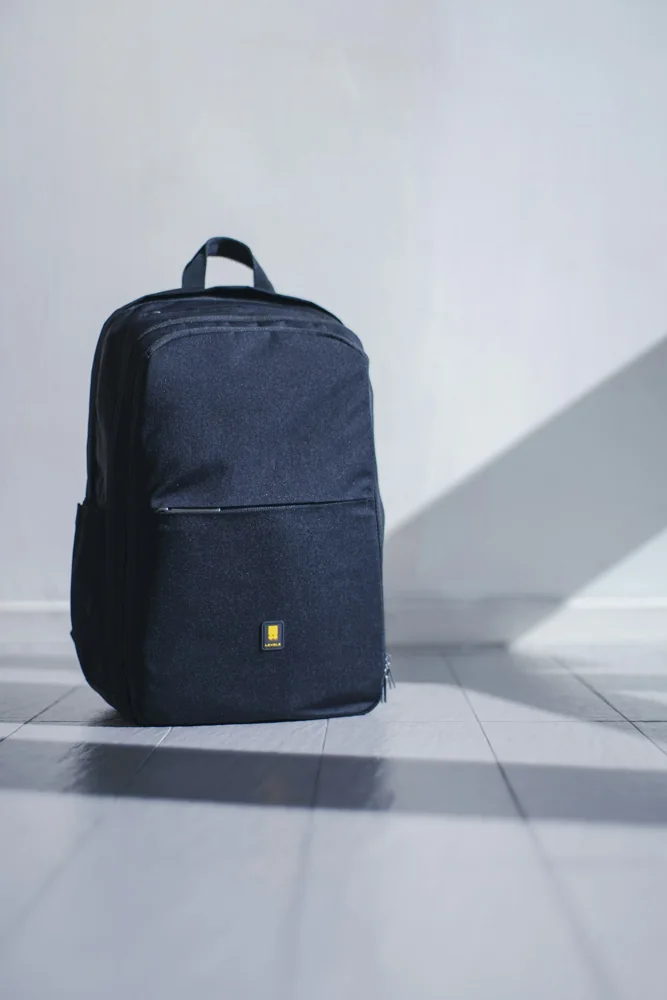
A wheeled case is convenient on smooth floors and keeps weight off your shoulders. A travel backpack is easier to carry up steps but puts the load on your body. A soft duffel can fit awkward spaces and store flat, yet becomes tiring to carry over a long transfer. None is best for every traveller. Match the bag to your physical comfort, packing weight and the frequency of hotel changes.
For a two-city trip with easy transfers, the convenience of wheels may outweigh the moments when the case needs lifting. For frequent moves and several stair-heavy stays, a compact backpack may be worth considering. Test the packed format before committing. Walking around a room with an empty bag tells you little about how it will feel after several travel connections.
Compare wheels and compartments honestly
Four-wheel cases can move easily on a smooth station concourse, while a two-wheel case may feel different when pulled over rougher surfaces. Wheel size, construction and placement vary, so inspect the exact model rather than assuming one format always wins. Check whether the handle feels comfortable, whether the case tracks reliably when packed and whether replacement parts are available through the manufacturer.
Hard shells offer a structured shape and wipe-clean surfaces, but a split-opening layout can require floor space in a small room. Soft cases may offer useful external pockets and more flexible packing, though that can encourage overfilling. Think about what needs to remain reachable during the journey. Tickets, medication and valuables should be organised in a way that avoids opening the main case in a busy aisle.
Pay for useful capacity, not maximum capacity
Compare empty weight, external dimensions and internal layout together. A slightly larger advertised capacity can be less useful if the case is heavy or difficult to lift. Expandable sections may be convenient after shopping, but an expanded bag may no longer meet a flight allowance. Treat expansion as an option with consequences, not free space. Leave enough room to repack without a lengthy exercise at each hotel.
Packing organisers can help separate clothes, but they add weight and should solve a real problem. Begin with simple bags you already own before purchasing a complete matching set. A laundry pouch and a small essentials pouch may provide most of the benefit. If the itinerary includes a wedding, consider how the occasion outfit fits without requiring another bag solely for one garment.
Check the details that affect ownership
On official luggage sites such as Samsonite, compare the exact model's materials, dimensions and warranty information. Read what any warranty actually covers and where service is available; do not infer accidental-damage coverage from a general durability statement. Check the seller's current return conditions before testing the bag outside. Prices and stock can change, so confirm them at the time of purchase.
Keep luggage within sight where practical and follow the operator's instructions for storage. Avoid leaving a case where it blocks access or emergency routes, and use designated spaces appropriate to the service. This guide does not claim to have tested a specific bag or guarantee storage availability. A compact, manageable load gives you more flexibility, but current train and airline information should decide the final packing limits.
Further reading & official information
This is a research-based editorial guide. Confirm current availability, access and booking conditions directly with the provider.